Practical Project Thinking
Existing conditions usually tell you more about a project than the first walkthrough reveals, especially in older commercial buildings.
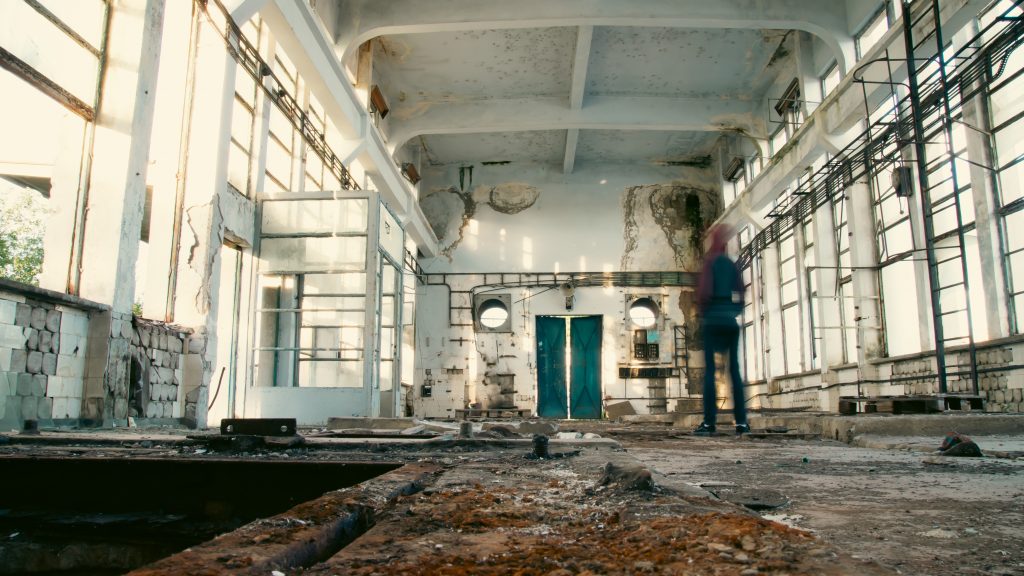
In existing buildings, the first walkthrough rarely tells the full story. A space may look usable, open, or adaptable at first glance, but real project direction is often shaped by what sits above the ceiling, behind finished walls, below the floor, or within the way the building is currently operating. That is one reason I believe existing-condition awareness deserves much more attention in the early stage of commercial and institutional projects.
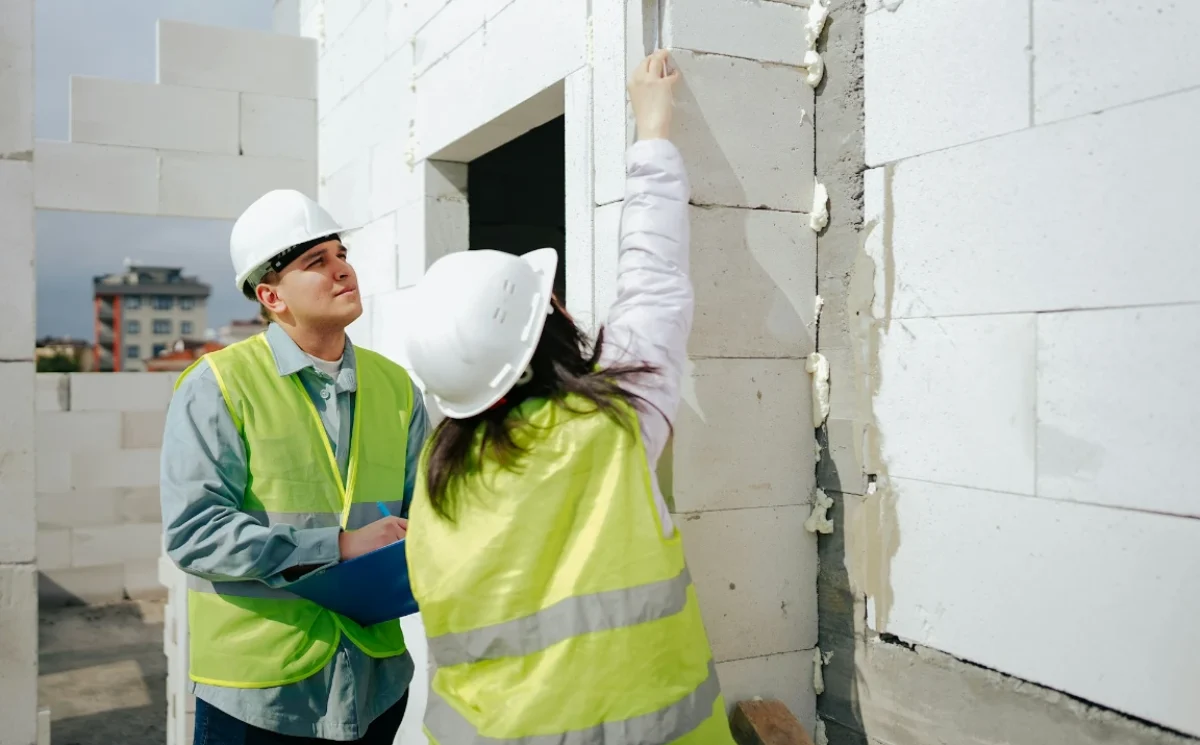
As a licensed architect coming from a second-generation general contractor background, I tend to look at existing spaces through both a design lens and a construction lens. I am thinking not only about what a project could become, but also about what the building may already be telling us. Existing conditions often point to coordination needs, cost drivers, scheduling risks, and practical limitations that should shape the conversation before design moves too far ahead.
Existing conditions affect more than layout
Many people understandably think about existing conditions in terms of dimensions or visible finishes. Those items matter, but they are only part of the picture. Existing conditions can include structure, mechanical systems, electrical capacity, plumbing locations, access restrictions, life safety requirements, landlord rules, tenant operations, and the realities of working within an occupied property.
When these factors are not understood early, the design process can become less efficient. A concept may need to be revised after field verification. Budget expectations may change. Coordination may become tighter than expected. None of this means a project is not possible. It simply means the building deserves to be read carefully before too many assumptions are made.
Why this matters in commercial and institutional work
This is especially important in commercial, healthcare, education, nonprofit, and other renovation-driven sectors. These projects are often shaped by ongoing operations, occupancy needs, tighter schedules, and the requirement to work around what already exists. In that kind of environment, practical awareness is not a minor detail. It is part of responsible planning.
Existing-condition awareness can help identify where the project may be straightforward, where it may require more coordination, and where a simpler or more phased approach may make sense. It can also help clients make earlier decisions about priorities, budget, and risk.

A clearer reading creates a stronger starting point
Good design is not weakened by practical awareness. In my view, it is strengthened by it. The earlier a project team understands the real conditions of the space, the more grounded the design process can become. That often means fewer avoidable surprises, better coordination, and a more buildable solution.
Sometimes the building gives the first answer. The value comes from slowing down enough to notice it. For clients considering a renovation, fit-out, or repositioning effort, a careful reading of existing conditions can be one of the most useful early steps in creating a project that works both on paper and in the field.